Did you ever switch on your tap and ask yourself, why then is the water running so slow today? Or went into your bathroom and find wet spots where there were none before? Plumbing problems can begin with the tiniest and almost invisible sound, and then begin to be a big headache. The plumbing system in your home works behind the walls and under the floor and this is what provides you with clean water and wastes away the waste on a daily basis. Small problems are simple to brush off as they are not very visible.
Nonetheless, careless observation of the initial warning indicators may result into water loss, moulds, increased utility payments, and expensive fixes. The positive thing about it is that your plumbing normally provides you with hints before things go bad. You can save money and prevent nothing going awry without the needless stress and strain that may happen in your home, by knowing what to look out for and by not waiting to deal with it too late.
1. Slow or Reoccurring Clogged Drains
The fact as highlighted by professional plumbers is that a slow drain does not seem to be urgent, but when it occurs repeatedly, it shows accumulation in pipes. There is accumulation of hair, soap, grease, and food particles which minimizes the space water can move through. Although plungers and store bought cleaners can provide some temporary relief, repeated clogs could be an indication of a more in-depth blockage lower down the line.
When a multiple drainage is slow then your primary sewerage may be compromised, exposing the possibility of overflow and stinky smells. Early prevention of slow drains will ensure you have not overflowing water resulting in the destruction of your pipes due to pressure and also ensure that your plumbing system remains natural and free flowing within your home.
2. Low Water Pressure
Low water pressure can be the cause when your shower starts to suddenly give you the feeling that it is weak or taps take more time to fill a glass. The main causes of this problem are the accumulation of minerals in the pipes, corroded pipes, undetected leaks or main supply line issues. Other than being inconvenient, lower pressure may also signal deterioration of pipes that is occurring behind the scenes.
This may eventually cause burst pipes or permanent water leakages. Early detection of the cause assists in restoring the normal flow and be able to make sure your plumbing system remains functional and does not waste water and it does not strain already weakened joints and fittings of pipes.
3. Strange Noises in Pipes
Plumbing is not expected to produce a lot of noise and thus when you start hearing banging, rattling, whistling, and gurgling, then it is worth listening. These noises can be caused by trapping of air in the pipes, loose fitting, sediments, or even sudden spike and fall in the water pressure also known as water hammer. Moving the pipes repeatedly is likely to make joints loose and cause leakage.
The gurgling usually indicates drainage/ventilation problems that can cause an obstruction. These sounds are not to be ignored and the minor mechanical issues can be transformed to structural damage of the pipes hence early check ups will ensure that your system is safe and stable.
4. Wet Spots, Mold or Water Stains
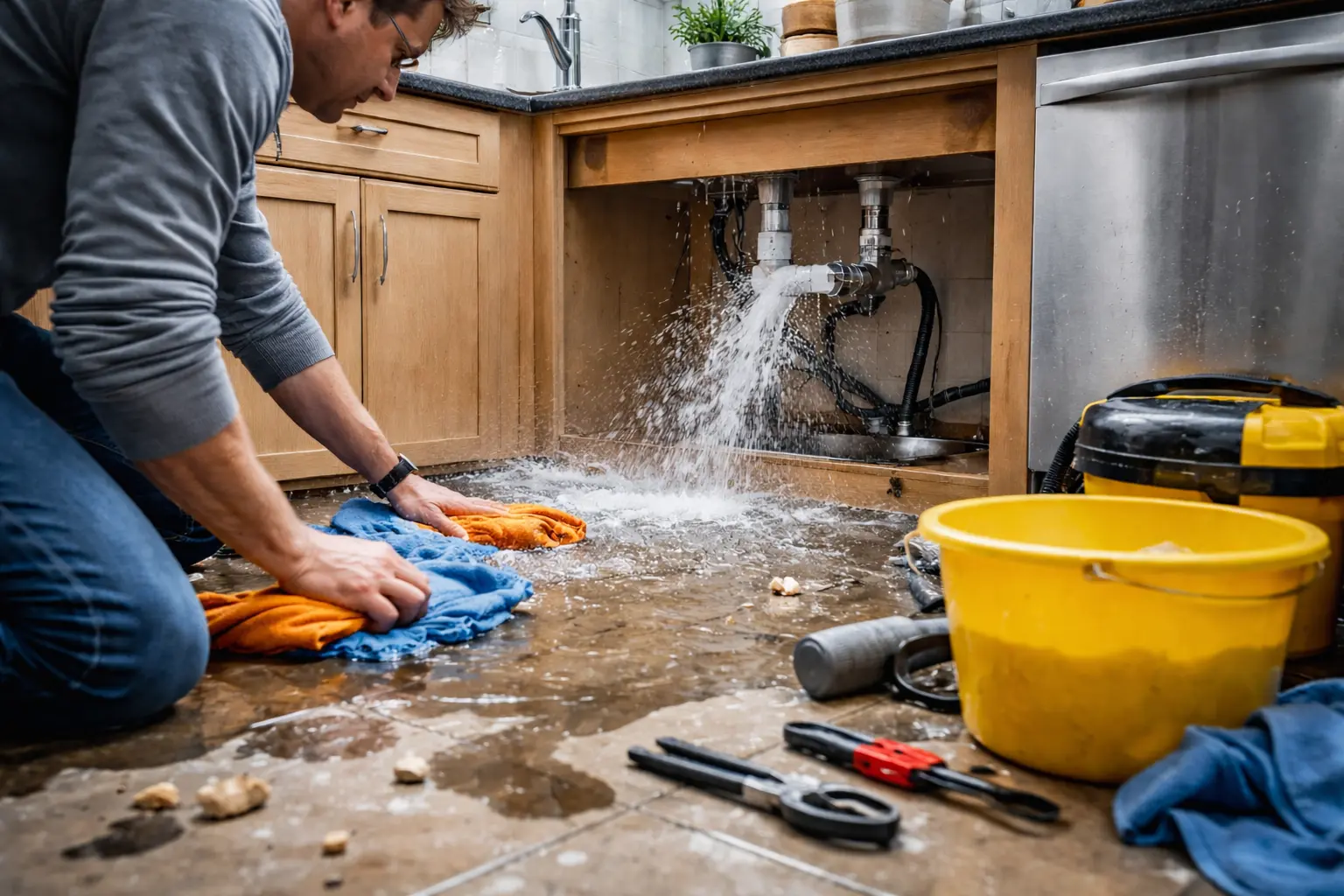
Most of the time, the ongoing damp spots without explanations on the walls, ceilings, or the floor are caused by the existence of leaks that are not visible behind surfaces. The drip stain in a wall will go through the wood, plaster and insulation and undermine your home’s structure. Moisture may also promote the formation of mould and mildew, which may affect indoor air quality, resulting in allergies.
The cracks in the paint, the smell, all these are indications of the fact that the moisture has a way to go. Early detection of leaks saves on repair costs and avoids any eventual loss in the construction of your home and the interior areas.
5. Sudden Rise in Water Bills
When your water bill suddenly increases in amount without any change in your daily habits, then it is actually an indication that there is some wastage of water in your plumbing system. Unchecked leaky taps, toilets that run, broken pipes and underground leaks can drain gallons of water without making any noise. These issues do not always manifest themselves, so the bill will tend to be the red flag.
Keeping track of your usage is one way of identifying problems before they develop. Early correction of leaks not only saves your budget but also savess on water, and ensures your plumbing works efficiently.
6. Coloured or Smelly Water
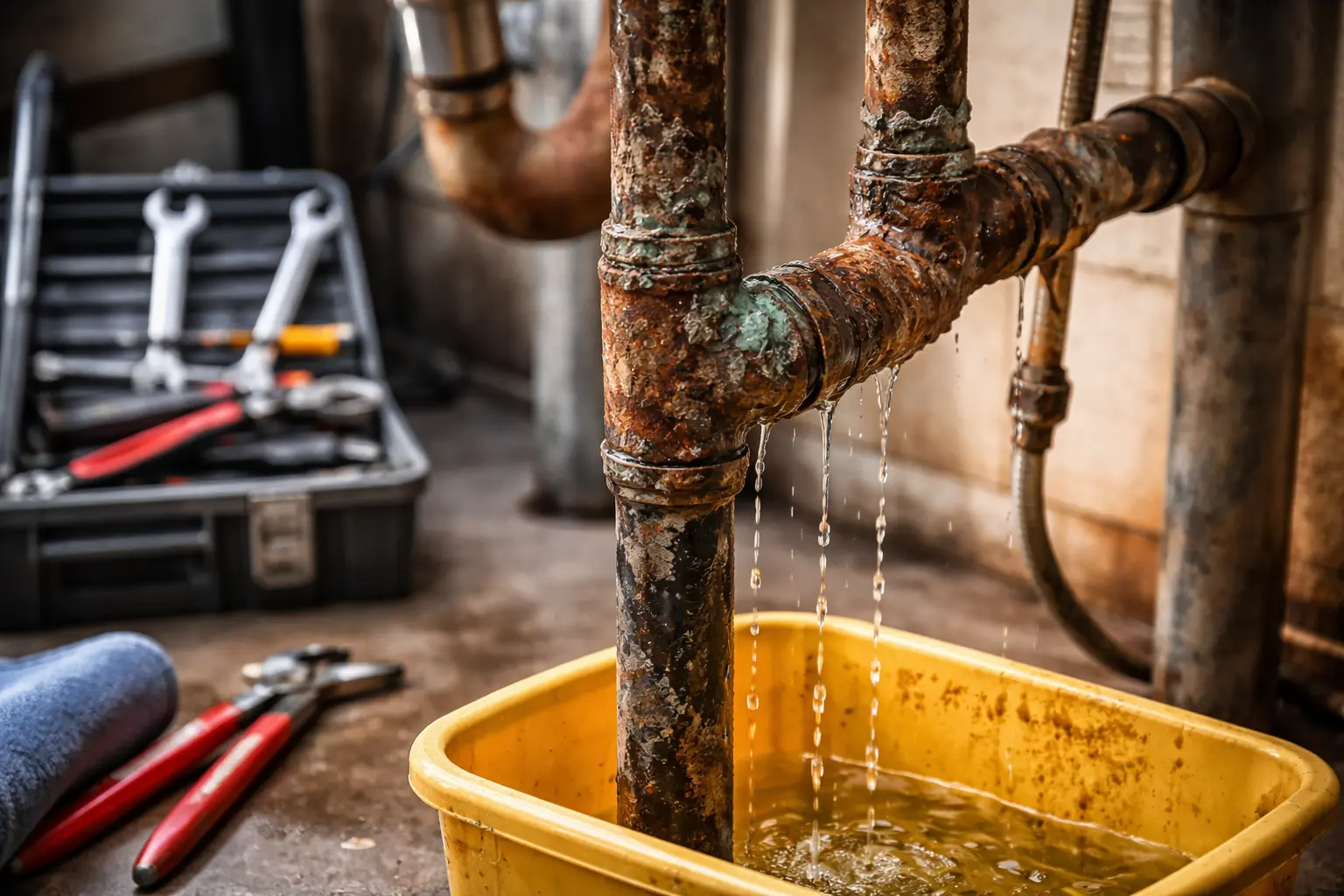
The water flowing out of your taps is always supposed to be clear and pleasant. When it becomes brown or yellow or hazy or has a metallic smell, then it could be a sign of rusting pipes, a buildup of sediment or contamination in your system. Damaged mains leak particles in your running water, which may discolour fittings and break appliances. Bad odour water may also indicate the proliferation of bacteria.
Such changes affect both the safety and comfort, and thus, making sure that the reason is being tested and fixed sooner than later will imply that your home will continue to provide clean and dependable waterdailys.
7. Running Toilets and Dripping Faucets
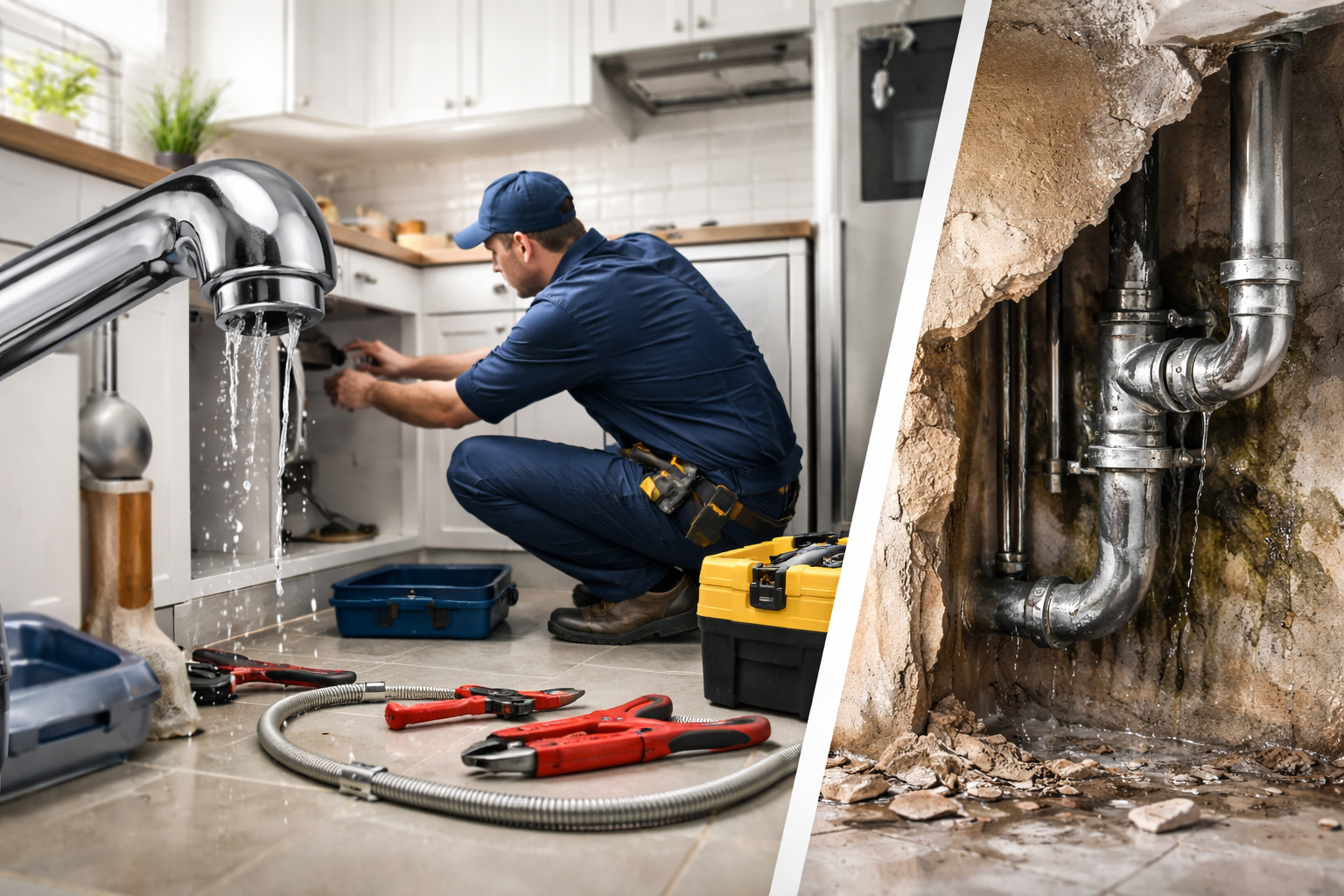
It might appear to be minute, such as a dripping tap or the toilet that is running continuously, but in the long run, they use immense amounts of water. They are usually brought about by malfunctioning washers, worn-out seals and failed valves. Although the sound can be deemed as easy to disregard, the effect it has on your water bill and plumbing cannot be. Pressure on pipes and fittings is also enhanced due to the continuous flow of water.
Fixing these minor problems as soon as they arise would save needless water and minor faults before they become bigger and more costly plumbing problems.
Conclusion
The plumbing expert team in your house keeps you safe in everyday life; neglecting warning signs may cost you a lot. Preventing the disaster, saving water, maintaining your home safe, efficient and comfortable in the long run, you can only do it by acting early on slow drains, leaks, low pressure, and odours.