Burst Pipe Emergency: 7 Essential Actions to Take Fast
Have you ever found out how it feels to have the shocking experience of a broken pipe spraying all over? Your bathroom or kitchen looks like a normal place, but the next moment it is flooded on your floors, posing a threat to your walls, furniture, and other valuables with water. Being a nightmare to a homeowner, the panic that is attached to it is very understandable. The good news, however, is as follows: pipe bursts, even though stressful, can be managed efficiently as long as you are aware of the correct course of action.
Timely and systematic actions will help to avoid major destruction, conserve money, and even protect your house against molding or building issues. Today, we are going to have a guide that will show you 7 steps that you need to follow after a pipe bursts, so that you can manage the situation without becoming nervous and uncertain.
1. Turn Off the Main Water Supply
When a pipe bursts, employing a pipe cut-off is the first thing that you do, also done by expert plumbers. This helps to avoid more flooding and reduce the destruction of your house. Find your key water valve- it is generally close to the water meter, in the basement, garage or outside- and turn it clockwise until it clogs. Once the water is turned off, open all the taps within your house in order to empty the water inside the pipes. This can be done fast to save time on the cleanup and to avoid the leakage of water in the wall and floors.
2. Switch Off the Electric Power in the Affected Field
The mixture of water and electricity is dangerous. In case the broken pipe is nearby power outlets, switches or appliances, touch the power at your breaker box and de-energize the power. This will avoid electrical accidents like shocks, fire, or damages of appliances. A drop of water even touching electricity is lethal; do not leave this step out. This is important so that people at home are always aware of the importance of avoiding the affected area until the power has been cut off.
3. Evaluate and Control the Loss
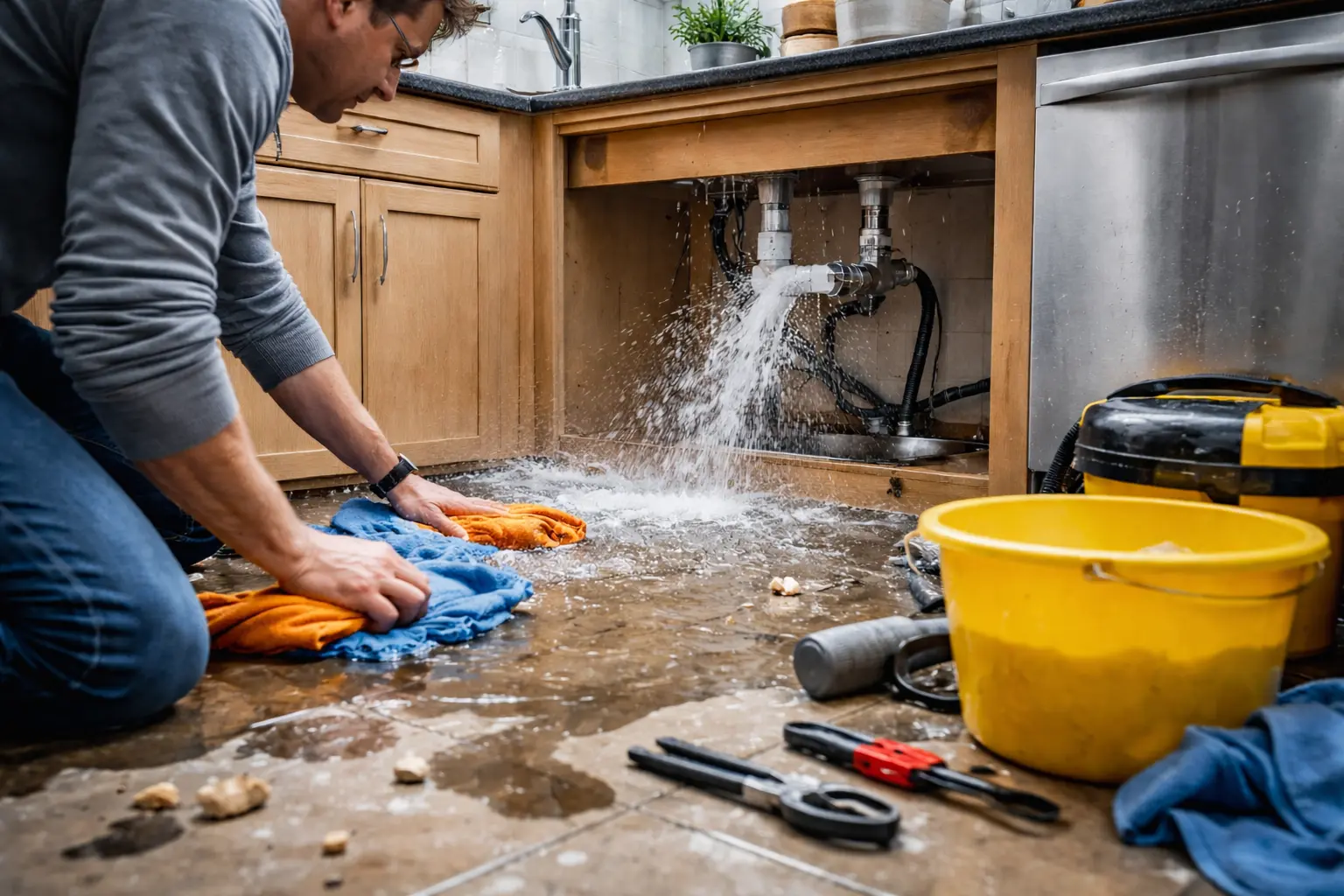
The second step is to examine the area of attack. To absorb the extra water, attempt to maintain the water with towels, mops, or buckets. Lodge furniture, electronics and other valuables to evade the destruction. In case the pipe is spraying the water with a lot of force, you can temporarily seal the leak with ducting tape, pipe clamps or even a piece of rubber until the professional is available. Early containment of the water can help stop the expansion of the floods to other rooms and minimise the total costs of damage.
4. Record the Insurance Damage
In case the burst pipe leads to major damage, then it is necessary to document all these so that the insurance company will be able to cover everything. Record good photos or videos of everything damaged, including broken walls, floors, furniture or appliances. Store the receipt of any emergency repair or material that you buy. Proper documentation will facilitate the insurance claims process and help you to be fully reimbursed. It also assists in giving evidence about the incident in case of disagreements in the future.
5. Call a Professional Plumber
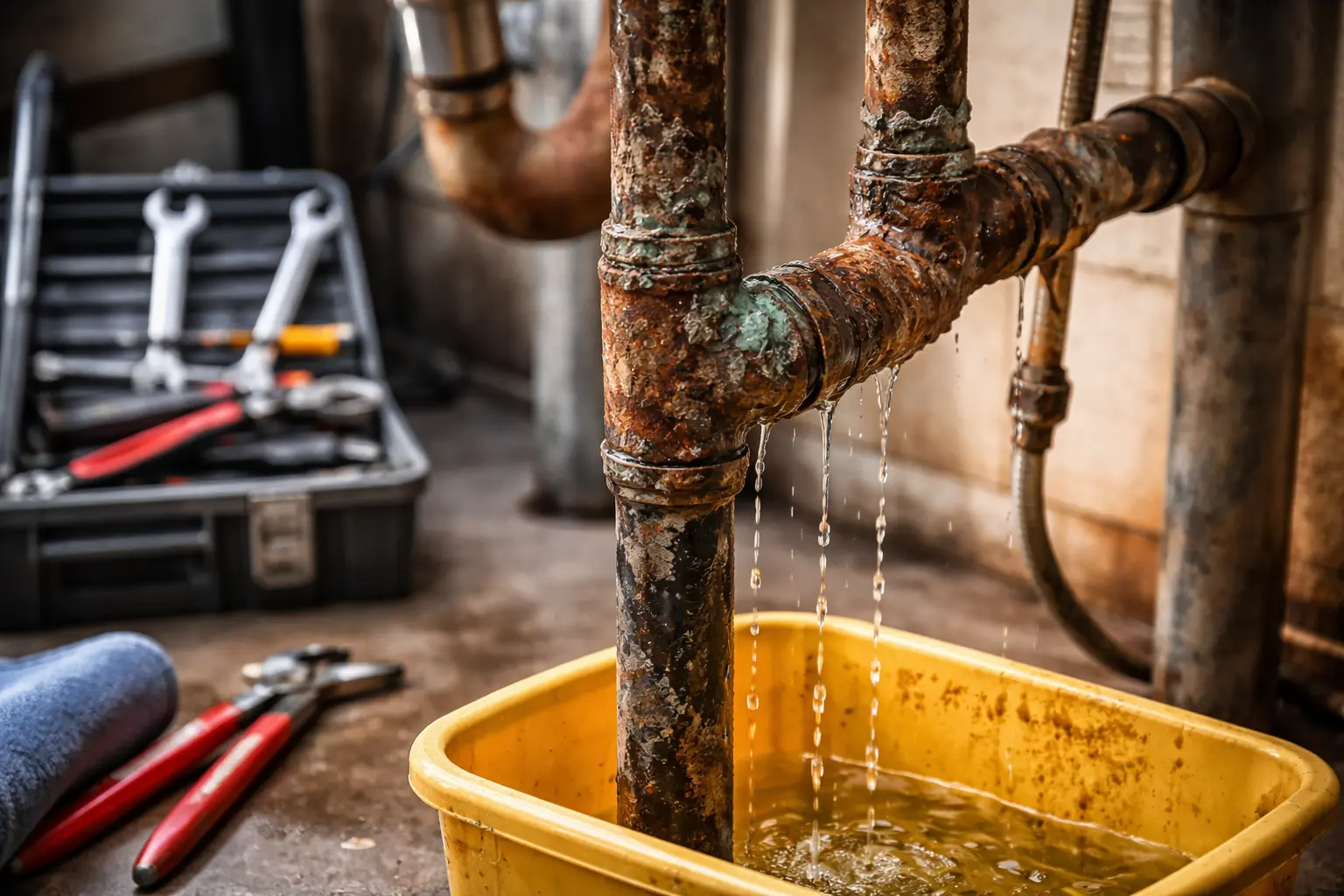
As much as there are quick remedies to the burst pipe, a plumber who has a license is supposed to inspect and repair the burst pipe as soon as it is feasible. Plumbers have the right gears and expertise to fix the leaks in a secure manner, replace the damaged ones, and prevent future issues. The damage might seem insignificant, but the involvement of professional teams can help to make the unknown issues, which can bring about other issues in the future, unobserved.
6. Start the Cleanup Process
Once the water is turned off and a plumber is called, come clean up the affected area. Eliminate damp carpets, rugs and furniture and dry it by means of towels, fans or a wet-dry vacuum. Where there is a possibility that the water has spilt on the walls or floor surfaces, the dehumidifier should be used to ensure the area is dry. Having a home is not just about cleaning on time, which will help in avoiding the mould, but it also ensures that your house will last longer. The drier you become, the less you will be able to do permanently.
7. Prevent Future Pipe Bursts
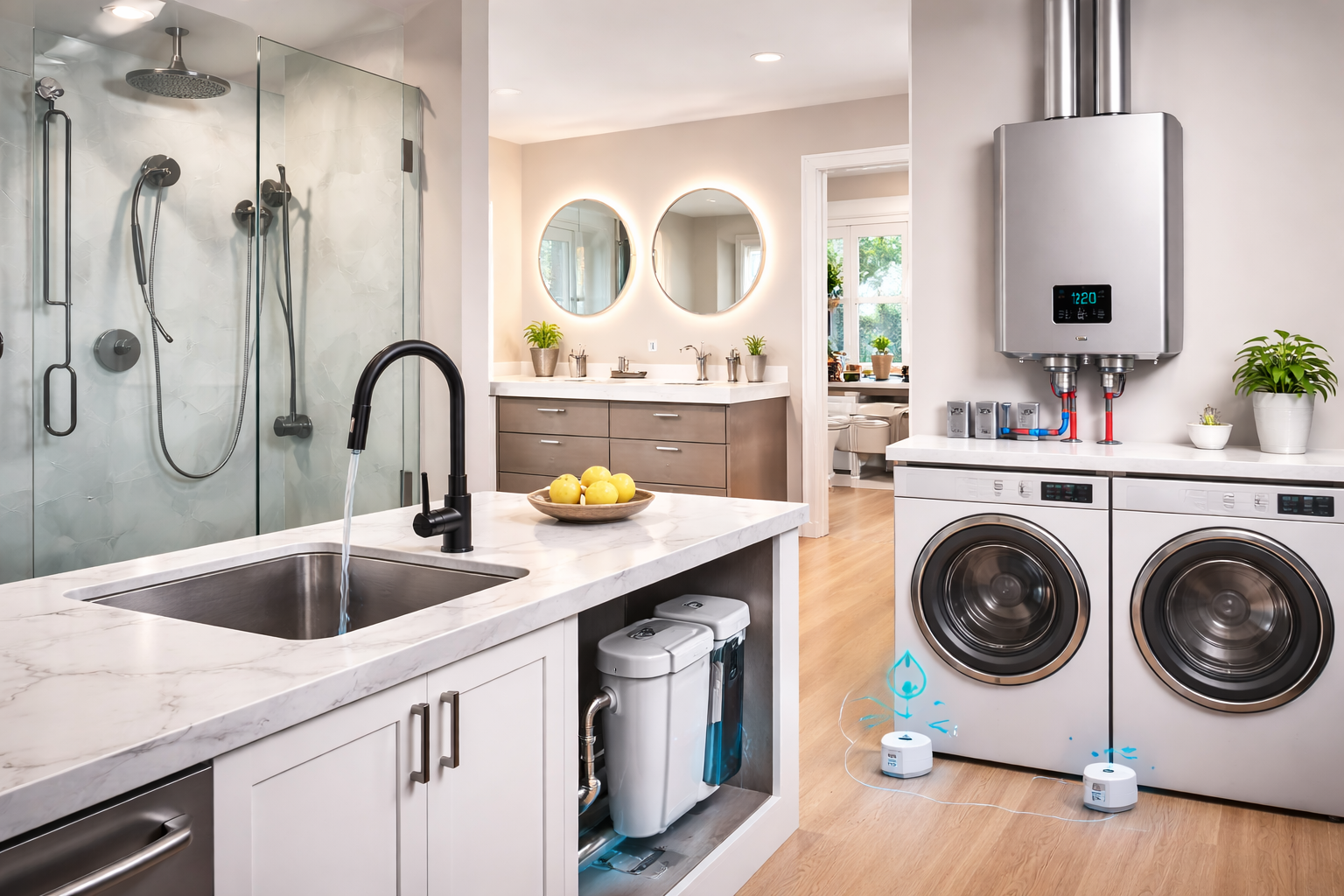
Once you have fixed your pipe, come up with solutions to prevent a repetition of the problem. Insulating the pipes that have been exposed, regular inspection, and regular observation of the water pressure. In winter, leave the running faucet running and leave the cabinet doors open so that it would not freeze. Basic precautionary steps that should be taken regularly will have you out of yet another crisis and your home safe, dry and operational. Minor issues can be resolved on time and this will save the money that would be spent on fixing the pipes, which are usually costly.
Conclusion
A burst pipe may be a stressful situation, but it would require immediate action, and these 7 steps would help. Water is shut off, electrical safety measures are taken, damage should be kept in check, and should be recorded, a plumber should be summoned, clean up should follow and preventive measures should be taken to ensure that you deal with the emergency effectively and safely. Preparation is key. Get to know your main water valve of the house, emergency supplies and the details of your plumber. This guide can help you out of a disaster that would otherwise have happened by remaining calm and using this guide.